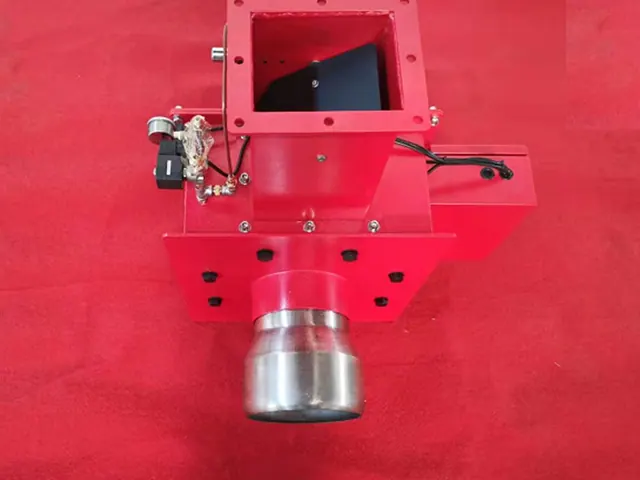
Define the factory arrangement before the witness visit
Request the proposed test configuration, available fuel, connected equipment and measurement boundary. Identify whether the burner will fire into a representative test furnace or receive only assembly and functional checks. Neither arrangement should be mislabeled. The agreed plan should state what each activity demonstrates and the conditions under which its evidence can support the actual purchase specification.
Identify simulated functions honestly
List which inputs, external permissives and fault cases will be simulated and which physical responses can be verified. Keep the approved test method under qualified personnel and the responsible design authority. A recorded logic indication is not necessarily proof of every connected physical action. The report should distinguish the evidence obtained from any remaining verification on the installed system.
Keep fuel and performance coverage explicit
Identify each fuel mode and load point included in the factory activity. State the instruments, calibration evidence and reported conditions for measured results. A test on a different fuel or furnace may offer supporting information without establishing the final performance commitment. Ask which deviations require further engineering or site demonstration rather than accepting a single successful firing as proof of every mode.
Allocate the site acceptance tasks
List checks that require the installed furnace, final draft arrangement, actual fuel supply and external controls. Assign the responsible party, required resources and proposed records for each task. Agree how unresolved items affect release and final acceptance. Factory shipment should not silently transfer every untested interface to the purchaser without a coordinated commissioning and handover plan.
Connect records to the delivered configuration
Retain the burner model, component schedule, controller revision, final drawings, test results and open deviations together. Any change after the witnessed activity should be reviewed against the evidence already obtained. The buyer needs to know whether the equipment delivered matches the accepted configuration and which records the operating team must use when preparing authorized site work and later service.
A witness visit needs acceptance criteria
Agree the document list, test coverage and decision criteria before travel or shipment. The witness should not have to invent limits while standing beside the equipment. If a required case cannot be demonstrated at the factory, record a specific remaining obligation with an owner and evidence requirement. A transparent staged acceptance plan is more useful than an unrestricted certificate unsupported by the actual test conditions.
Put these items side by side in the bid review
| Purchase item | Question to resolve | Evidence to request |
|---|---|---|
| Factory basis | Which furnace and fuel are used? | Agreed test configuration |
| Functional coverage | Simulated or physical response? | Detailed verification record |
| Site closure | Who resolves remaining cases? | Acceptance responsibility schedule |
Suggested wording for the quotation request
Please propose separate factory and installed-furnace acceptance schedules for the offered burner. Identify test fuels, loads, instruments, simulated functions and physical responses verified. List configuration references, deviations and site-dependent performance checks with responsible parties and resources. Explain the release criteria and the records required to close final acceptance without treating untested cases as demonstrated.
A burner purchase concerns a matched combustion arrangement, not an isolated maximum-capacity number. Keep the required fuel heat input separate from useful boiler or heater output, and identify the actual fuel properties, furnace geometry, draft and load range. The accepted offer should name the combustion head, fuel equipment, air supply, control and supporting items actually included. Do not infer dual-fuel capability, low-temperature starting, emissions performance or destination approval from a photograph or a general product description. Agree the factory and site evidence for the selected arrangement and allocate external interfaces to named parties. Actual commissioning, operation, fault investigation and maintenance require competent personnel, equipment-specific manufacturer information and approved project procedures. Protective functions must not be bypassed and ignition must never be improvised. Keep the accepted configuration and authorized changes with the final equipment records.
For the wider equipment scope, consult the Oilfield Burner Unit: FAT Checklist. Use the RFQ checklist to collect the supporting documents before requesting a configuration-specific quotation.
Buyer questions
Does successful factory firing prove the final furnace match?
Not always. The installed furnace, draft, fuel and external interfaces can differ. Identify which performance and integration checks require the actual site arrangement.
Can simulated protective inputs contribute useful evidence?
Yes, when their purpose and limitations are explicit. Distinguish simulated logic checks from physical response verification and retain the remaining site obligations in the acceptance plan.
Background and supplier contact
NIST measurement traceability background offers related background, not certification of the equipment in a quotation. Applicability must be checked for the project and destination.
Explore the oilfield burner, browse all technical resources, or visit Vance Petroleum for company information. Request an oilfield-burner proposal with the fuel, furnace, heat-input, operating schedule and destination requirements.