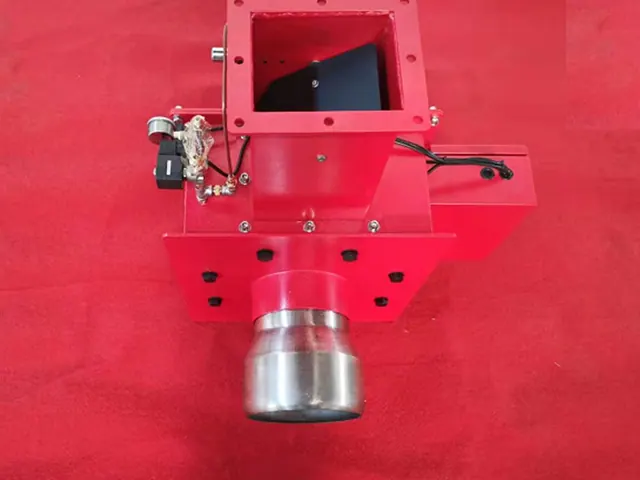
Identify the installed supervision arrangement
Collect the detector manufacturer, complete part reference, controller identity and relevant wiring revision. Include the fuel modes and the location or sighting arrangement used on the burner. A photograph or a shortened catalogue number may omit important variants. Ask the responsible supplier to confirm the installed combination before ordering a component that merely looks mechanically similar.
Check compatibility beyond connector fit
Require confirmation that the proposed detector is approved for the actual safeguard arrangement and application. Sensor technology, signal behavior and controller requirements cannot be assumed interchangeable. Matching voltage or plug shape is not sufficient evidence. Where an alternate part is proposed, request a documented technical response covering the supervision function and any necessary changes to wiring, mounting or configuration.
Keep sighting and environmental conditions visible
Describe temperature, vibration, contamination exposure and access at the installed location. Ask which mounting, cooling or protection provisions belong to the selected arrangement. A detector that is suitable in a test enclosure may not be suitable in the actual installation without its specified accessories. Procurement should preserve those requirements rather than order the sensor separately and assume existing provisions remain adequate.
Separate a spare purchase from fault diagnosis
Repeated flame-related trips can involve combustion conditions, fuel supply, sighting, wiring or the supervision equipment. They do not automatically prove the detector is defective. Record the observed condition and qualified investigation separately from the spare order. Never use a different detector or an adjustment as a shortcut to suppress a protective response whose cause has not been resolved.
Require authorized replacement and verification
Ask for the approved replacement instructions, necessary competence and verification records. The installed arrangement must be checked under the equipment-specific plan before return to service. Do not bypass flame supervision or improvise a flame signal to obtain operation. Retain the final component reference and any authorized configuration changes so the equipment file continues to match the physical burner.
A substitute needs an acceptance basis
A commercially available cross-reference is a starting point for inquiry, not independent approval of a safety-related substitution. Ask who accepts the proposed replacement and what evidence is required. Include any associated mounting, cable or controller change in the commercial scope. The cost of the part should be evaluated with authorized installation and verification, not only the price of the detector itself.
Put these items side by side in the bid review
| Purchase item | Question to resolve | Evidence to request |
|---|---|---|
| Identity | Which exact variant is installed? | Part and controller records |
| Substitution | Who approves compatibility? | Documented technical response |
| Return to service | What verification is required? | Authorized replacement plan |
Suggested wording for the quotation request
Please supply or identify an approved replacement flame detector for the attached burner and controller references. Confirm functional and environmental compatibility, required accessories and any configuration changes. Provide the replacement documentation and verification requirements, identifying who approves an alternative part. Keep the spare offer separate from diagnosis of the reported protective trips.
A burner purchase concerns a matched combustion arrangement, not an isolated maximum-capacity number. Keep the required fuel heat input separate from useful boiler or heater output, and identify the actual fuel properties, furnace geometry, draft and load range. The accepted offer should name the combustion head, fuel equipment, air supply, control and supporting items actually included. Do not infer dual-fuel capability, low-temperature starting, emissions performance or destination approval from a photograph or a general product description. Agree the factory and site evidence for the selected arrangement and allocate external interfaces to named parties. Actual commissioning, operation, fault investigation and maintenance require competent personnel, equipment-specific manufacturer information and approved project procedures. Protective functions must not be bypassed and ignition must never be improvised. Keep the accepted configuration and authorized changes with the final equipment records.
For the wider equipment scope, consult the Oilfield Burner Unit: Maintenance Guide. Use the RFQ checklist to collect the supporting documents before requesting a configuration-specific quotation.
Buyer questions
Can a detector be selected only by supply voltage?
No. Controller compatibility, signal characteristics, application, mounting and environmental requirements also matter. Obtain an approved response for the installed supervision arrangement.
Does a flame-related lockout prove the sensor has failed?
No. Several combustion, supply, installation or electrical conditions can cause a related trip. Qualified investigation is needed; replacing a part does not resolve every initiating cause.
Background and supplier contact
OSHA oil and gas workplace safety background offers related background, not certification of the equipment in a quotation. Applicability must be checked for the project and destination.
Explore the oilfield burner, browse all technical resources, or visit Vance Petroleum for company information. Request an oilfield-burner proposal with the fuel, furnace, heat-input, operating schedule and destination requirements.