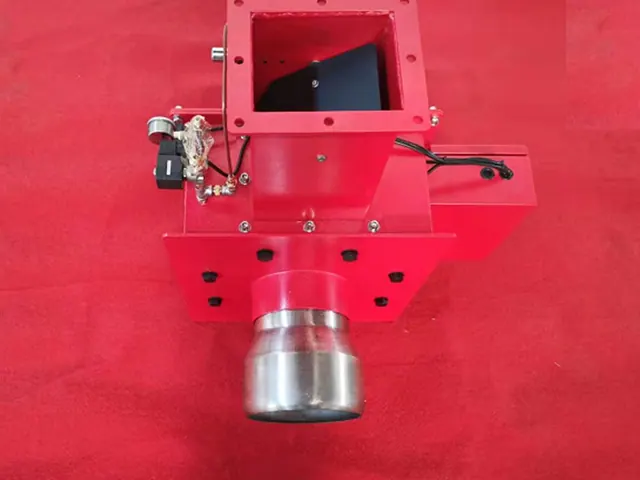
List the real electrical consumers
Request the selected fan, fuel equipment, conditioning loads, controls and other auxiliaries with their required supplies. Distinguish continuous use, intermittent demand and loads active before firing. A small controller consumption figure does not represent the complete burner package. Confirm which consumers are included and which are supplied elsewhere so the generator assessment covers the actual installation.
Separate rated power from starting requirements
Ask for the information needed by the responsible electrical designer to assess startup and simultaneous loads. Identify motor starting arrangements and any drives or other relevant electronics. Generator suitability cannot be established solely by adding motor nameplate ratings. The buyer should request a coordinated response to the actual starting sequence and source characteristics rather than propose an arbitrary universal spare-capacity margin.
Define voltage, frequency and installation basis
Provide the available supply characteristics, connection arrangement and relevant site requirements. Ask the supplier to identify tolerances and limitations for the selected equipment. Similar nominal ratings do not prove every frequency or source arrangement is acceptable. Record external protection, isolation, earthing and installation responsibilities through the competent designer instead of assuming the burner enclosure includes every required site function.
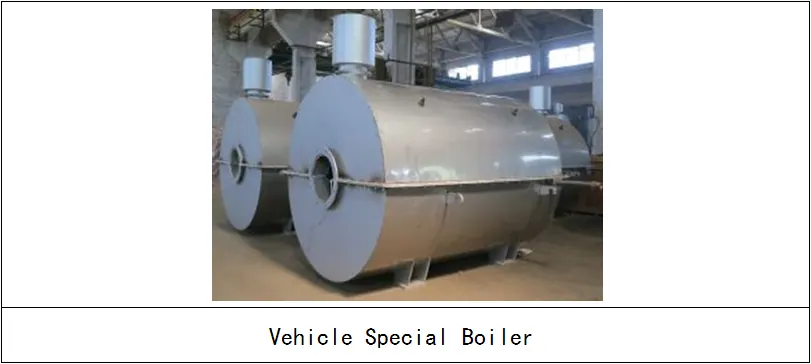
Document the control interface independently
List the demand signals, permissives, indications and protective interfaces needed between the burner and external systems. Identify ownership and the accepted response to missing or invalid signals. A remote display does not establish remote-start authority or automatic recovery after a supply interruption. Keep normal demand control distinct from the protective functions and the approved burner-management sequence.
Agree evidence for the actual source case
Identify what can be checked at the factory and what requires the installed generator and site wiring. Ask for relevant records of operating supply conditions and authorized functional verification. A workshop demonstration on a stable mains connection does not independently establish compatibility with the proposed field source. Preserve the final electrical drawings and changes with the configuration accepted for delivery.
Review shared loads before declaring independence
If the generator also supplies fuel conditioning, heater pumps or external equipment, assess the relevant simultaneous cases with the responsible integrator. A dedicated burner circuit does not make the source independent of those other loads. Clarify which event causes a controlled response and which requires lockout or qualified intervention under the approved design. Do not assume unrestricted automatic restart after loss of power.
Put these items side by side in the bid review
| Purchase item | Question to resolve | Evidence to request |
|---|---|---|
| Load schedule | Which auxiliaries operate together? | Connected and operating demand |
| Starting case | Can the source support the sequence? | Electrical designer response |
| Control authority | Who may demand or stop firing? | Approved interface schedule |
Suggested wording for the quotation request
Please provide the complete burner electrical load and starting information for our generator-fed installation. Include auxiliaries, supply requirements, accepted limitations and external protection responsibilities. Identify demand and protective interfaces separately, explain the approved response to power or signal loss, and propose factory and site evidence for the actual source and connected-load cases.
A burner purchase concerns a matched combustion arrangement, not an isolated maximum-capacity number. Keep the required fuel heat input separate from useful boiler or heater output, and identify the actual fuel properties, furnace geometry, draft and load range. The accepted offer should name the combustion head, fuel equipment, air supply, control and supporting items actually included. Do not infer dual-fuel capability, low-temperature starting, emissions performance or destination approval from a photograph or a general product description. Agree the factory and site evidence for the selected arrangement and allocate external interfaces to named parties. Actual commissioning, operation, fault investigation and maintenance require competent personnel, equipment-specific manufacturer information and approved project procedures. Protective functions must not be bypassed and ignition must never be improvised. Keep the accepted configuration and authorized changes with the final equipment records.
For the wider equipment scope, consult the Oilfield Burner Unit: Utility Planning. Use the RFQ checklist to collect the supporting documents before requesting a configuration-specific quotation.
Buyer questions
Is matching voltage enough to accept generator operation?
No. Review frequency, supply characteristics, starting and simultaneous loads, installation responsibilities and component limits. The actual generator and connected equipment require a coordinated assessment.
Does a remote interface imply automatic restart after power loss?
No. Demand authority and recovery behavior must follow the approved burner-management and site design. Request the specific functional response rather than infer it from a display or communication port.
Background and supplier contact
OSHA oil and gas workplace safety background offers related background, not certification of the equipment in a quotation. Applicability must be checked for the project and destination.
Explore the oilfield burner, browse all technical resources, or visit Vance Petroleum for company information. Request an oilfield-burner proposal with the fuel, furnace, heat-input, operating schedule and destination requirements.