Identify the applicable project requirement
Ask the owner or competent environmental adviser to establish the requirement for the intended equipment and destination. Distinguish a legal limit, project specification and supplier reference value. Their scope and test methods may differ. A statement that a burner is low-NOx does not establish compliance of the complete heater at every site, fuel mode or operating load.
Put reporting bases side by side
Request the units, reference oxygen, dry or wet basis and any gas-volume reference conditions associated with each result. Confirm how the reported value is calculated from measured data. Numbers expressed on different bases must not be ranked directly. Ask the responsible technical parties to reconcile the comparison rather than assume that the smaller number represents a better accepted performance.
Tie performance to fuel and load
Identify the fuel composition, accepted input points and furnace arrangement supporting the proposed commitment. A gas-mode result does not independently demonstrate liquid-fuel performance. Likewise, one steady full-load measurement does not establish every part-load or transition condition. Require the bidder to state which cases are covered and which remain estimates or need further engineering and site verification.
Clarify supporting equipment and trade-offs
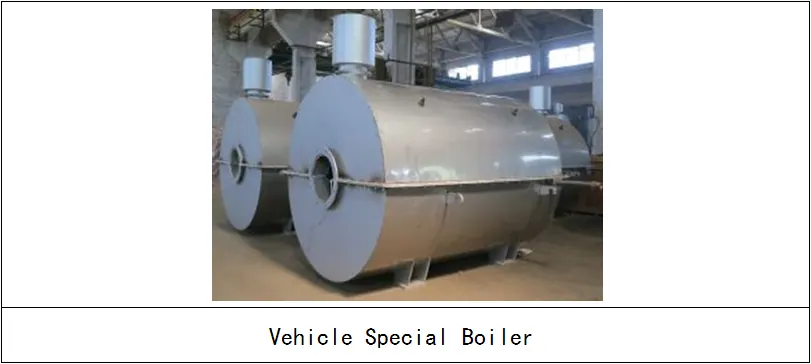
Ask whether the proposed emissions response requires particular combustion-air arrangements, external services or furnace changes. Identify the actual supplied scope and its operating limitations. Compare auxiliary demand and service implications with the promised result. Do not assume a standard burner includes every measure mentioned in a generic product description or that an emissions objective can be met without integration work.
Agree evidence and responsibility before ordering
Define the sampling location, instruments, accepted test method, witness arrangements and reporting responsibility. Distinguish factory evidence from contractual site acceptance. Specify how deviations will be evaluated and who resolves remaining conditions. A reference test report is useful context, but the purchase order should identify whether it supports the exact offered configuration and the actual commitment being purchased.
Do not confuse equipment claims with site approval
A supplier performance statement and an environmental authorization are different records. The project team must confirm the applicable permitting and acceptance process for the installation. Keep the proposed emissions guarantee, its exclusions and the responsible verifier together. This protects the buyer from accepting a headline limit whose supporting fuel, furnace or measurement conditions are unavailable at the intended site.
Put these items side by side in the bid review
| Purchase item | Question to resolve | Evidence to request |
|---|---|---|
| Reporting basis | Which correction and units apply? | Defined measurement basis |
| Operating cases | Which fuels and loads are covered? | Guarantee envelope |
| Verification | Factory result or site acceptance? | Test responsibility schedule |
Suggested wording for the quotation request
Please state the proposed emissions commitment for each specified fuel and load case, including units, oxygen correction, dry or wet basis and reference conditions. Identify furnace assumptions, required auxiliaries, exclusions and test method. Distinguish reference data from contractual guarantees and propose the evidence and responsibilities for final acceptance at the actual installation.
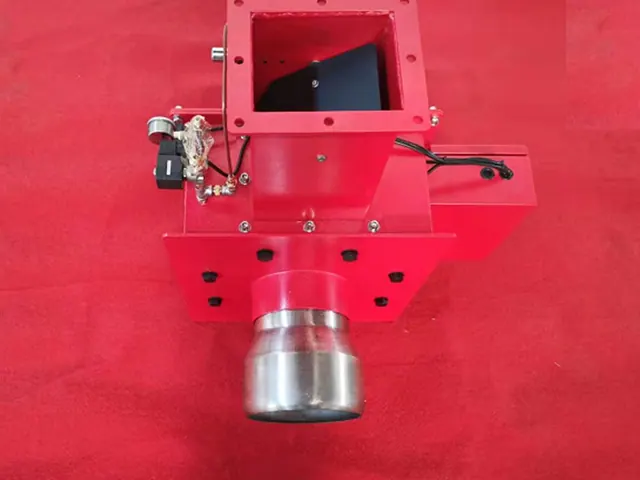
A burner purchase concerns a matched combustion arrangement, not an isolated maximum-capacity number. Keep the required fuel heat input separate from useful boiler or heater output, and identify the actual fuel properties, furnace geometry, draft and load range. The accepted offer should name the combustion head, fuel equipment, air supply, control and supporting items actually included. Do not infer dual-fuel capability, low-temperature starting, emissions performance or destination approval from a photograph or a general product description. Agree the factory and site evidence for the selected arrangement and allocate external interfaces to named parties. Actual commissioning, operation, fault investigation and maintenance require competent personnel, equipment-specific manufacturer information and approved project procedures. Protective functions must not be bypassed and ignition must never be improvised. Keep the accepted configuration and authorized changes with the final equipment records.
For the wider equipment scope, consult the Oilfield Burner Unit: FAT Checklist. Use the RFQ checklist to collect the supporting documents before requesting a configuration-specific quotation.
Buyer questions
Can two NOx figures be compared without their reporting basis?
No. Units, reference oxygen, moisture basis and operating conditions can materially affect the comparison. Request a consistent basis before evaluating the numbers.
Does a low-NOx label establish destination compliance?
No. Confirm the applicable project and legal requirements and the configuration-specific evidence. The label alone does not establish permitting or performance of the installed heater.
Background and supplier contact
NIST measurement traceability background offers related background, not certification of the equipment in a quotation. Applicability must be checked for the project and destination.
Explore the oilfield burner, browse all technical resources, or visit Vance Petroleum for company information. Request an oilfield-burner proposal with the fuel, furnace, heat-input, operating schedule and destination requirements.