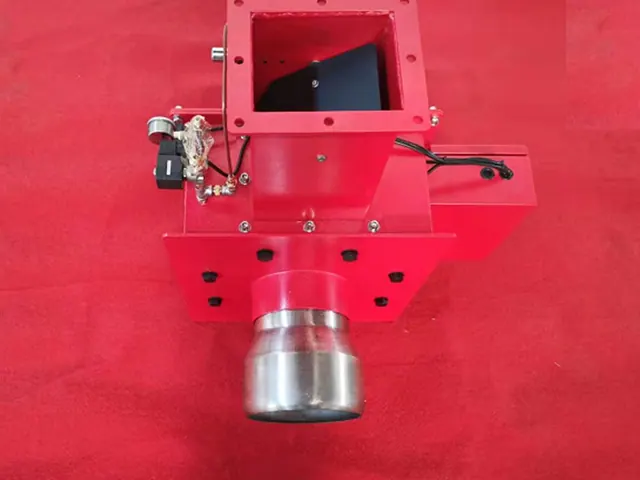
Request the installed and service envelopes
Ask for dimensions covering the operating position, opening or withdrawal paths and component removal. Identify what must be moved before access is possible. A compact overall length does not describe the working clearance needed for a burner door, motor or combustion head. Keep the service envelope on the general arrangement before surrounding pipework and enclosures are finalized.
Coordinate mounting and mechanical support
Review the mounting interface, assembly mass and support method with the furnace or skid designer. Ask which loads and tolerances the responsible supplier requires. Do not assume the furnace opening alone supports every replacement arrangement. Where an adapter or additional support is necessary, identify its designer, supplier and verification responsibility rather than leave site staff to improvise a bracket during installation.
Keep fuel and electrical connections serviceable
Ask how the actual connection arrangement supports approved inspection and component removal. Document access to isolation and relevant service points through the responsible designer. Shorter pipework is not automatically a better layout if it prevents required access or creates unsupported loads. The final arrangement should match equipment-specific installation instructions and the approved project plan, not a generic photograph of another package.
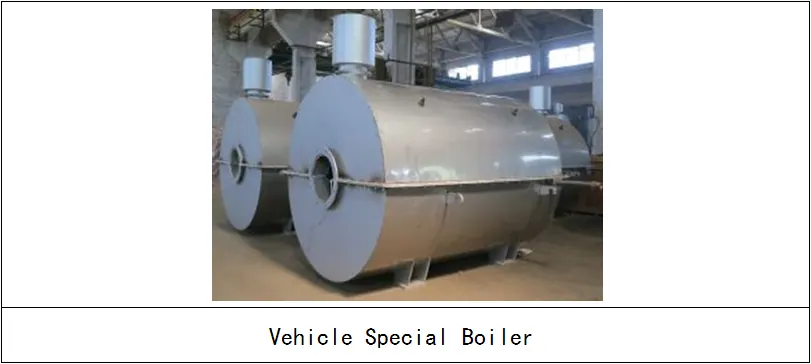
Review the mobile or enclosed installation
Where the burner is fitted to a mobile heater or enclosure, coordinate transport restraints, installed clearances and the actual environmental provisions. Distinguish transport position from operating and service arrangements. External access, ventilation and safe maintenance work need explicit review. A weather enclosure or compact skid does not by itself demonstrate suitability for every operating location or remove the need for destination-specific assessment.
Make access a documented acceptance item
Ask for the final arrangement drawing and a practical demonstration of the agreed accessible service points where appropriate. Record restrictions and the tools or authorized support needed for removal. A visually tidy installation can still leave a critical component inaccessible. Keep any unresolved access issue visible before release so corrective work is not discovered only during the first planned maintenance event.
Installation convenience and ownership are connected
A small purchasing saving can be outweighed by repeated dismantling of surrounding equipment for routine service. Compare the proposed layout with the actual maintenance plan and site capabilities. Ask whether the selected configuration can be supported without altering approved fuel or control connections each time. Record the agreed arrangement so subsequent enclosure or piping changes do not consume the access reserved during procurement.
Put these items side by side in the bid review
| Purchase item | Question to resolve | Evidence to request |
|---|---|---|
| Service space | What opens or withdraws? | Maintenance-envelope drawing |
| Support | Who accepts mounting loads? | Mechanical interface response |
| Final access | Can agreed points be reached? | Layout acceptance record |
Suggested wording for the quotation request
Please provide the installed and maintenance envelopes for the offered burner, including removal paths, support requirements and access to identified service points. Mark fuel, electrical and furnace interfaces and any enclosure dependencies. State purchaser work and required tools, and propose evidence that the final assembled layout preserves the service access agreed before order placement.
A burner purchase concerns a matched combustion arrangement, not an isolated maximum-capacity number. Keep the required fuel heat input separate from useful boiler or heater output, and identify the actual fuel properties, furnace geometry, draft and load range. The accepted offer should name the combustion head, fuel equipment, air supply, control and supporting items actually included. Do not infer dual-fuel capability, low-temperature starting, emissions performance or destination approval from a photograph or a general product description. Agree the factory and site evidence for the selected arrangement and allocate external interfaces to named parties. Actual commissioning, operation, fault investigation and maintenance require competent personnel, equipment-specific manufacturer information and approved project procedures. Protective functions must not be bypassed and ignition must never be improvised. Keep the accepted configuration and authorized changes with the final equipment records.
For the wider equipment scope, consult the Oilfield Burner Unit: Commissioning Guide. Use the RFQ checklist to collect the supporting documents before requesting a configuration-specific quotation.
Buyer questions
Does the overall burner dimension include service clearance?
Not necessarily. Request the operating, opening and removal envelopes separately and coordinate them with the final furnace, piping and enclosure arrangement.
Should maintenance access be settled before manufacture?
Yes. Access can determine surrounding layout and support work. Resolving it during procurement helps avoid expensive modifications or impractical maintenance after delivery.
Background and supplier contact
OSHA oil and gas workplace safety background offers related background, not certification of the equipment in a quotation. Applicability must be checked for the project and destination.
Explore the oilfield burner, browse all technical resources, or visit Vance Petroleum for company information. Request an oilfield-burner proposal with the fuel, furnace, heat-input, operating schedule and destination requirements.