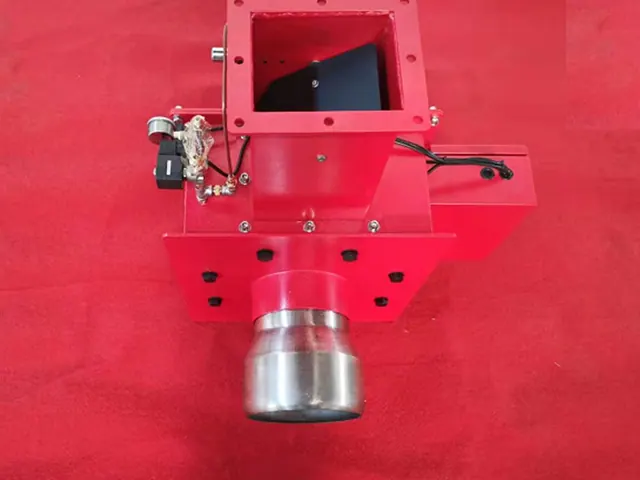
Collect the furnace information that controls selection
Provide a current chamber drawing, burner opening dimensions, throat arrangement and the location of tubes or other surfaces exposed to the flame. Include existing refractory condition and modifications made since the original equipment was supplied. Photographs help explain access and layout, but they do not replace dimensional information or establish the condition of concealed furnace surfaces.
Review the whole flame envelope
Ask for the offered flame dimensions and their stated fuel, load and furnace-pressure basis. Compare the envelope with available clearance across the proposed firing range. A short high-intensity flame and a longer flame can distribute heat differently even at similar input. The responsible furnace designer should review potential impingement and local thermal loading, not merely confirm that the nominal capacity matches.
Keep draft and chamber pressure in the review
Record expected furnace pressure at the agreed load cases and explain how it is established. Duct changes, a modified stack or fouled heat-transfer surfaces can affect the pressure seen by the burner. Request the supplier response to that operating envelope. Do not assume a burner fan curve or an open-air flame demonstration proves performance when connected to the actual furnace.
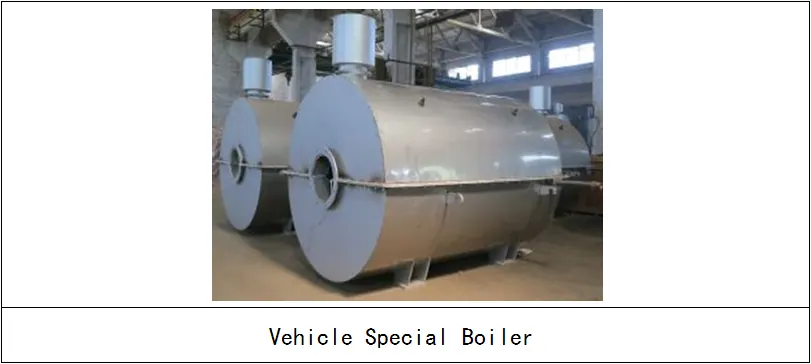
Identify refractory and mounting changes
Clarify whether the quotation includes a revised throat, mounting adapter, insulation, refractory work or door modification. Check service access and the method for supporting the burner during removal. A small component price can conceal substantial furnace work. Assign dimensional verification and approval responsibility before manufacture so site staff are not left to improvise a mechanical interface at delivery.
Define what proves the retrofit is acceptable
Agree the inspection and performance evidence for the installed combination. Relevant observations may include accepted combustion measurements, chamber pressure, stable load transitions and absence of unacceptable flame impingement. Qualified personnel must use the approved commissioning plan. Distinguish evidence that can be obtained at the supplier factory from checks that require the actual furnace and site fuel.
Retain the original furnace design limits
A retrofit must not silently expand the approved heat release or operating envelope of the heater. Preserve the original limits and document any reviewed changes. If reliable drawings are unavailable, arrange a competent survey and a formal response from the responsible equipment designer. Uncertainty about the chamber is a procurement issue to resolve before ordering, not a reason to assume a standard burner fits.
Put these items side by side in the bid review
| Purchase item | Question to resolve | Evidence to request |
|---|---|---|
| Flame envelope | What clearance is available? | Fuel-specific matching drawing |
| Furnace pressure | Which draft cases apply? | Chamber-pressure schedule |
| Modification scope | Who supplies refractory work? | Marked mechanical boundary |
Suggested wording for the quotation request
Please assess a replacement oilfield burner against the enclosed furnace drawings and existing design limits. Confirm the proposed flame envelope at the required load and draft cases, identify throat or refractory changes, and list dimensional checks, site work and acceptance evidence. Separate factory demonstration from verification required on the installed heater before the retrofit is accepted.
A burner purchase concerns a matched combustion arrangement, not an isolated maximum-capacity number. Keep the required fuel heat input separate from useful boiler or heater output, and identify the actual fuel properties, furnace geometry, draft and load range. The accepted offer should name the combustion head, fuel equipment, air supply, control and supporting items actually included. Do not infer dual-fuel capability, low-temperature starting, emissions performance or destination approval from a photograph or a general product description. Agree the factory and site evidence for the selected arrangement and allocate external interfaces to named parties. Actual commissioning, operation, fault investigation and maintenance require competent personnel, equipment-specific manufacturer information and approved project procedures. Protective functions must not be bypassed and ignition must never be improvised. Keep the accepted configuration and authorized changes with the final equipment records.
For the wider equipment scope, consult the Oilfield Burner Unit: Configuration Guide. Use the RFQ checklist to collect the supporting documents before requesting a configuration-specific quotation.
Buyer questions
Is a matching flange enough for a replacement burner?
No. The chamber dimensions, flame envelope, pressure conditions, thermal loading and protection interfaces also require review. Mechanical fit is only one part of a retrofit decision.
Can a factory flame demonstration complete the retrofit acceptance?
It can support the assessment, but final matching may require the actual furnace, site fuel and draft conditions. State which results remain subject to site verification.
Background and supplier contact
OSHA oil and gas workplace safety background offers related background, not certification of the equipment in a quotation. Applicability must be checked for the project and destination.
Explore the oilfield burner, browse all technical resources, or visit Vance Petroleum for company information. Request an oilfield-burner proposal with the fuel, furnace, heat-input, operating schedule and destination requirements.