Put the energy boundary on the data sheet
State whether the required capacity describes fuel entering the burner, heat absorbed by the boiler or useful heat delivered to the process. Use consistent units and identify the heating-value convention. An apparently larger burner can simply be quoted on a different boundary. The thermal equipment designer should reconcile the figures before the buyer ranks bids by capacity or cost.
Separate normal demand from occasional peaks
Provide a load schedule showing normal heating, warm-up demand, holding duty and the duration of any higher requirement. Distinguish simultaneous loads from alternatives. A short peak should not silently become the continuous selection point. Ask how the offered burner serves the lower demand as well as the maximum and whether a different configuration would better fit the actual operating hours.
Request a transparent efficiency assumption
If useful heat is converted into required fuel input, identify which equipment losses and operating conditions enter that calculation. Burner combustion performance and complete-boiler thermal efficiency are not interchangeable figures. Ask for the calculation boundary, fuel properties and part-load basis. Keep contractual performance commitments separate from preliminary estimates so procurement does not accidentally turn an illustrative calculation into a guaranteed result.
Check the furnace before accepting spare capacity
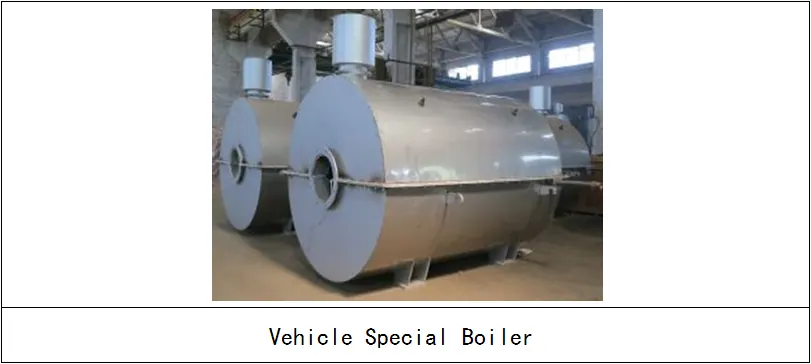
A larger firing rate requires review of the chamber, flame envelope, pressure response and heat-transfer surfaces. Extra nameplate capacity does not authorize a higher furnace heat release. Request a written burner-to-boiler matching response from the responsible supplier. Any proposed increase above the existing approved duty needs engineering review rather than a simple replacement of the burner head or nozzle.
Compare bids at the same operating cases
Create a common schedule of accepted heat-input cases, available fuel conditions and furnace pressure. Ask each bidder to identify the offered model, achievable range and remaining assumptions. Mark any furnace modification, external fan or fuel-conditioning item separately. This exposes the true difference between a complete matched proposal and a burner price that leaves significant integration work to the purchaser.
An output number needs supporting conditions
Retain the calculation revision with the equipment offer. A change in fuel composition, useful process demand, available draft or assumed boiler condition can invalidate an earlier selection. The purchase order should identify which values require confirmation before manufacture and who closes them. Do not resolve an uncertain efficiency by adding arbitrary firing margin; request the missing information and an updated technical response.
Put these items side by side in the bid review
| Purchase item | Question to resolve | Evidence to request |
|---|---|---|
| Capacity boundary | Fuel input or useful output? | Energy balance and units |
| Load profile | Which cases run longest? | Time-based demand schedule |
| Furnace limit | Can the chamber accept the duty? | Approved matching response |
Suggested wording for the quotation request
Please quote an oilfield burner for the attached boiler duty schedule. Distinguish fuel heat input from useful output, identify heating-value and efficiency assumptions, and confirm the firing range at the specified fuel and furnace conditions. List furnace changes, supporting equipment, exclusions and the evidence proposed to verify the selected operating cases before final acceptance.
A burner purchase concerns a matched combustion arrangement, not an isolated maximum-capacity number. Keep the required fuel heat input separate from useful boiler or heater output, and identify the actual fuel properties, furnace geometry, draft and load range. The accepted offer should name the combustion head, fuel equipment, air supply, control and supporting items actually included. Do not infer dual-fuel capability, low-temperature starting, emissions performance or destination approval from a photograph or a general product description. Agree the factory and site evidence for the selected arrangement and allocate external interfaces to named parties. Actual commissioning, operation, fault investigation and maintenance require competent personnel, equipment-specific manufacturer information and approved project procedures. Protective functions must not be bypassed and ignition must never be improvised. Keep the accepted configuration and authorized changes with the final equipment records.
For the wider equipment scope, consult the Oilfield Burner Unit: Specs and Sizing. Use the RFQ checklist to collect the supporting documents before requesting a configuration-specific quotation.
Buyer questions
Can I select a burner directly from the boiler output?
Only after the equipment designer reconciles useful output, losses, fuel properties and furnace limitations. An output number alone does not define the required burner heat input.
Does additional firing capacity always provide useful reserve?
No. The furnace, heat-transfer surfaces, controls and supporting equipment must accept the proposed duty. Reserve capacity on a burner nameplate is not permission to increase boiler output.
Background and supplier contact
NIST measurement traceability background offers related background, not certification of the equipment in a quotation. Applicability must be checked for the project and destination.
Explore the oilfield burner, browse all technical resources, or visit Vance Petroleum for company information. Request an oilfield-burner proposal with the fuel, furnace, heat-input, operating schedule and destination requirements.