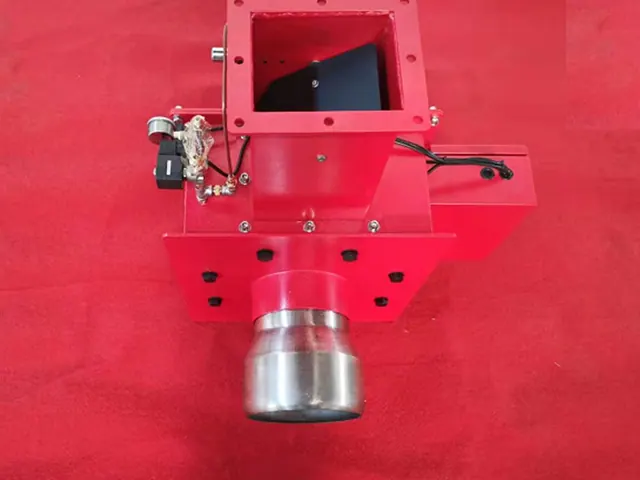
Name the fuel specification and its variability
Provide the supplier fuel grade, available property data and expected changes between deliveries. Identify relevant viscosity, density, heating value, sulfur and contamination information with their temperature basis. Do not assume a regional grade name means identical fuel quality in every market. Ask which properties limit the offered burner and what additional analysis is needed before selection can be finalized.
Describe storage and transfer responsibilities
Identify where the burner fuel boundary starts and who supplies the tank, transfer equipment, filtration, containment and return arrangement where required. Describe credible exposure to water or particulate contamination without assuming the burner can tolerate it. A complete offer should state inlet conditions and purchaser responsibilities. Tank capacity and delivery logistics remain separate from the ability of the burner to consume the fuel.
Confirm the actual atomization arrangement
Ask the bidder to identify the selected liquid-fuel system and its supporting requirements. Some configurations require additional pressure, conditioning or an atomizing medium; none should be presumed from an exterior photograph. Record the approved fuel range and auxiliary demand. A proposal for one diesel grade does not automatically establish suitability for heavy oil, waste oil or an unspecified blended fuel.
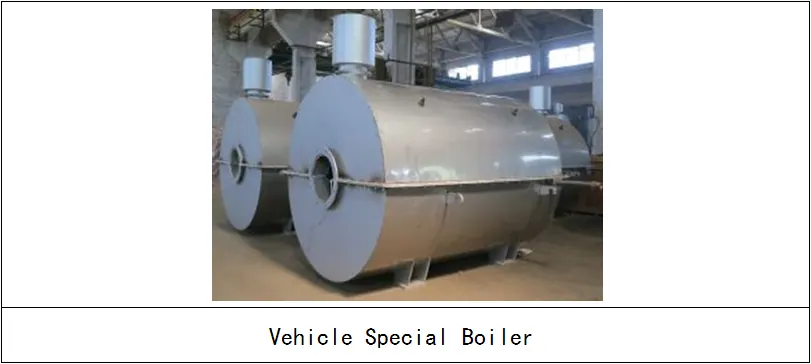
Make cold fuel a separate selection case
Provide minimum expected fuel temperature and explain whether storage and supply lines are exposed. Ask which conditioning items, if any, are necessary for the selected fuel and how their supply is divided. Do not translate a low ambient rating into a promise that every fuel will remain suitable at that temperature. Fuel behavior and electrical or mechanical component ratings need their own responses.
Keep substitution under controlled review
If a backup fuel is contemplated, list it before ordering and request a separate compatibility response. Review seals, valves, instruments, nozzle or head configuration and the accepted combustion envelope. The supplier should identify required changes and limitations. Retain those decisions with the fuel specification so later purchasing substitutions cannot silently widen the approved range of the installed burner.
Fuel availability is not fuel approval
A local fuel may be economical and readily available yet outside the selected burner configuration. Compare the cost of a verified supply chain with the cost and complexity of conditioning or alternate equipment. Ask for the actual accepted fuel schedule in the order documents. A generic statement that an industrial burner handles liquid fuels is not a substitute for grade-specific confirmation.
Put these items side by side in the bid review
| Purchase item | Question to resolve | Evidence to request |
|---|---|---|
| Fuel identity | Which grade and properties apply? | Fuel specification or analysis |
| Supply boundary | What reaches the connection? | Pressure and temperature envelope |
| Conditioning scope | What equipment is necessary? | Included and external item list |
Suggested wording for the quotation request
Please quote a liquid-fuel oilfield burner against the attached diesel specification and expected storage and inlet conditions. Identify the selected atomization arrangement, allowable fuel envelope, required conditioning and supporting services. State included filtration and transfer items, purchaser responsibilities, seasonal limitations and the evidence needed before any proposed alternate fuel can be approved.
A burner purchase concerns a matched combustion arrangement, not an isolated maximum-capacity number. Keep the required fuel heat input separate from useful boiler or heater output, and identify the actual fuel properties, furnace geometry, draft and load range. The accepted offer should name the combustion head, fuel equipment, air supply, control and supporting items actually included. Do not infer dual-fuel capability, low-temperature starting, emissions performance or destination approval from a photograph or a general product description. Agree the factory and site evidence for the selected arrangement and allocate external interfaces to named parties. Actual commissioning, operation, fault investigation and maintenance require competent personnel, equipment-specific manufacturer information and approved project procedures. Protective functions must not be bypassed and ignition must never be improvised. Keep the accepted configuration and authorized changes with the final equipment records.
For the wider equipment scope, consult the Oilfield Burner Unit: Compatibility Guide. Use the RFQ checklist to collect the supporting documents before requesting a configuration-specific quotation.
Buyer questions
Can any diesel grade be used in the same burner?
Do not assume so. Confirm the accepted properties, inlet conditions and supporting equipment for the actual offered configuration, including seasonal fuel changes.
Does a cold-weather burner rating guarantee cold fuel flow?
No. Fuel properties, storage and transfer conditions need a separate review. Ask what conditioning and installation measures are required for the specified fuel and temperature.
Background and supplier contact
OSHA oil and gas workplace safety background offers related background, not certification of the equipment in a quotation. Applicability must be checked for the project and destination.
Explore the oilfield burner, browse all technical resources, or visit Vance Petroleum for company information. Request an oilfield-burner proposal with the fuel, furnace, heat-input, operating schedule and destination requirements.