Use pressure at the actual supply boundary
Provide minimum, normal and maximum pressure at the package connection under the expected demand cases. Distinguish static pressure from conditions while the burner and any other users consume gas. State whether values are gauge or absolute and identify the measurement location. An upstream pipeline figure is not proof that adequate supply remains available at the burner after distribution losses.
Provide composition rather than a fuel name
Identify the actual gas specification, heating-value basis and relevant contaminants or liquids. Associated gas, processed natural gas and other combustible gases can have materially different properties. Ask for a fuel-specific compatibility and combustion response. Do not use a general natural-gas capability statement as approval for untreated field gas or a stream whose composition changes outside the accepted range.
Draw the complete train boundary
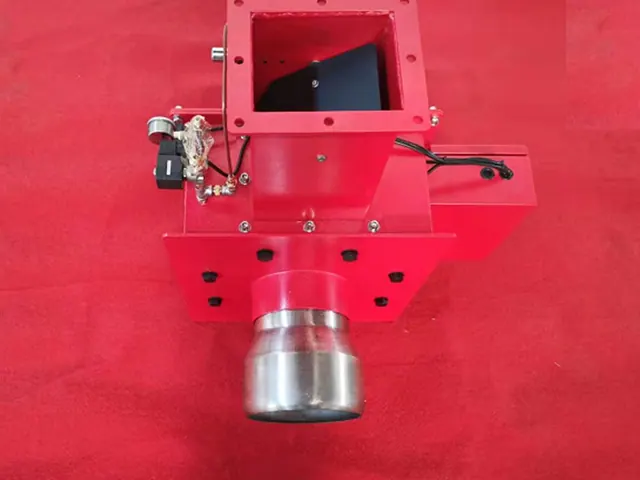
Request a marked fuel-train diagram identifying regulation, isolation, protective and monitoring functions actually offered. Assign responsibility for external conditioning, piping and other site equipment. A burner price may exclude substantial upstream work. Have the competent designer establish applicable requirements and component suitability; do not infer a universal valve arrangement from a catalogue sketch or the size of the inlet connection.
Keep venting and installation responsibilities explicit
Ask which installation connections and clearances the actual components require and where external terminations or supports belong. Record the responsible party for each interface and applicable site approval. Procurement documentation should reveal these dependencies before shipment. It should not become a generic field instruction for routing releases or adjusting regulators, because those decisions depend on the approved design and local requirements.
Accept the supply case and protection together
Agree which evidence demonstrates the selected burner at the specified gas conditions and how protective functions will be verified. Distinguish factory-simulated cases from tests requiring the final site installation. Preserve component identity, approved settings and the final cause-and-effect record. Qualified personnel must resolve supply or protective-function discrepancies before the equipment is accepted for the intended service.
Compare upstream work as part of the purchase
When gas supply is outside the burner vendor scope, obtain a coordinated response rather than two disconnected assurances. Identify the integrator who closes the gas-source, train and burner interfaces. Keep any pressure or composition uncertainty visible in the bid evaluation. The lowest burner-only price may not represent the lowest installed cost when external conditioning or distribution changes are still unresolved.
Put these items side by side in the bid review
| Purchase item | Question to resolve | Evidence to request |
|---|---|---|
| Available gas | What remains during firing? | Boundary pressure envelope |
| Composition | Which variability is accepted? | Fuel-specific supplier response |
| Train scope | Who supplies each function? | Marked diagram and exclusions |
Suggested wording for the quotation request
Please offer a gas-fired oilfield burner for the enclosed composition and supply-pressure cases. Mark the gas-train supply boundary, identify required external equipment and installation dependencies, and list deviations. Propose factory and site evidence for the accepted firing cases and protective functions. State the fuel limitations and documents required before a different gas source is introduced.
A burner purchase concerns a matched combustion arrangement, not an isolated maximum-capacity number. Keep the required fuel heat input separate from useful boiler or heater output, and identify the actual fuel properties, furnace geometry, draft and load range. The accepted offer should name the combustion head, fuel equipment, air supply, control and supporting items actually included. Do not infer dual-fuel capability, low-temperature starting, emissions performance or destination approval from a photograph or a general product description. Agree the factory and site evidence for the selected arrangement and allocate external interfaces to named parties. Actual commissioning, operation, fault investigation and maintenance require competent personnel, equipment-specific manufacturer information and approved project procedures. Protective functions must not be bypassed and ignition must never be improvised. Keep the accepted configuration and authorized changes with the final equipment records.
For the wider equipment scope, consult the Oilfield Burner Unit: Utility Planning. Use the RFQ checklist to collect the supporting documents before requesting a configuration-specific quotation.
Buyer questions
Can pipeline pressure alone be used to select the gas train?
No. Establish the available pressure at the agreed connection under actual demand and identify intervening losses and regulation. The burner supplier needs a defined inlet envelope.
Is associated gas automatically interchangeable with natural gas?
No. The actual composition, contaminants and variability require a specific response. Approval for one natural-gas specification does not establish acceptance of untreated or variable field gas.
Background and supplier contact
OSHA oil and gas workplace safety background offers related background, not certification of the equipment in a quotation. Applicability must be checked for the project and destination.
Explore the oilfield burner, browse all technical resources, or visit Vance Petroleum for company information. Request an oilfield-burner proposal with the fuel, furnace, heat-input, operating schedule and destination requirements.