Write two complete fuel cases
Provide the required heat-input range, available supply and accepted fuel properties for each proposed mode. Ask whether the same useful heating duty is available on both fuels and identify any limitations. Keep each response attached to the actual offered hardware. A single headline capacity does not establish identical firing range, emissions or auxiliary demand in both operating modes.
Define what changeover means for the process
Explain whether the project can tolerate a controlled shutdown and restart or requires another expressly reviewed arrangement. Ask the supplier to describe the approved sequence at a functional level and identify restrictions. Do not assume that dual-fuel equipment can switch without interruption, change fuels while firing or support simultaneous combustion. Those capabilities require explicit design and acceptance evidence.
Account for both supply systems
List the liquid and gas supply equipment, conditioning and external services needed by the selected configuration. Identify whether either train is omitted from the quoted package. Shared controls do not remove the need for fuel-specific components and verification. Compare installed cost with both supply chains present, including the infrastructure needed to keep a standby fuel genuinely usable when required.
Review interlocks as fuel-specific functions
Request a cause-and-effect description showing how fuel selection, permissives and protective actions apply in each mode. Identify the treatment of unavailable fuel, incomplete changeover and conflicting commands. Qualified designers must establish the actual sequence and safe response. Procurement should require controlled evidence, not prescribe ignition timings or accept an informal claim that one generic controller handles every arrangement.
Test the modes the order actually requires
Agree which fuel modes and transitions will be demonstrated, the test fuel used and the remaining site conditions. A factory demonstration on diesel does not independently accept the gas mode. Record any simulation or untested case clearly. Link final acceptance to the specified mode-specific evidence and operator documentation so the second fuel is not left as an undocumented future option.
Standby fuel still needs a credible readiness plan
A second fuel connection does not guarantee availability during a supply interruption. Review storage, pressure, conditioning, authorized changeover, training and the supporting utilities shared by both modes. Record common dependencies honestly. If the purchase objective is continuity of heating, the project team should evaluate the complete supply arrangement rather than equate dual-fuel hardware with independent standby capacity.
Put these items side by side in the bid review
| Purchase item | Question to resolve | Evidence to request |
|---|---|---|
| Fuel envelopes | Are capacities the same? | Two accepted duty schedules |
| Changeover | Is interruption permitted? | Approved functional sequence |
| Acceptance | Which modes were demonstrated? | Mode-specific test record |
Suggested wording for the quotation request
Please quote a dual-fuel oilfield burner with separate technical responses for our diesel and gas cases. Identify accepted firing ranges, supply equipment, shared dependencies and the approved changeover arrangement. Do not assume uninterrupted switching. Propose demonstrations for both modes and required transitions, list remaining site checks, and provide the corresponding operating and protection documentation.
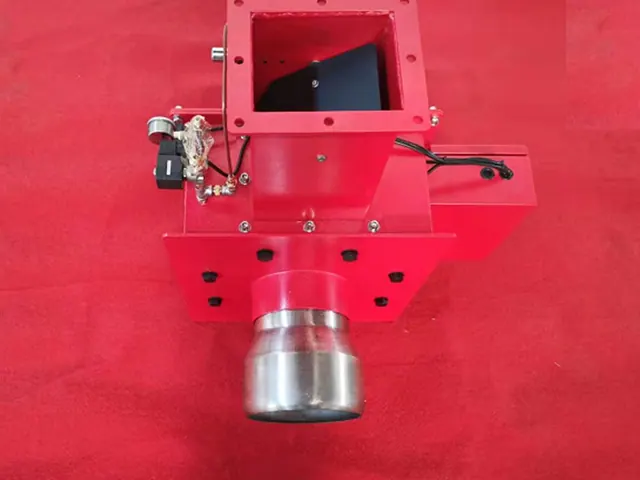
A burner purchase concerns a matched combustion arrangement, not an isolated maximum-capacity number. Keep the required fuel heat input separate from useful boiler or heater output, and identify the actual fuel properties, furnace geometry, draft and load range. The accepted offer should name the combustion head, fuel equipment, air supply, control and supporting items actually included. Do not infer dual-fuel capability, low-temperature starting, emissions performance or destination approval from a photograph or a general product description. Agree the factory and site evidence for the selected arrangement and allocate external interfaces to named parties. Actual commissioning, operation, fault investigation and maintenance require competent personnel, equipment-specific manufacturer information and approved project procedures. Protective functions must not be bypassed and ignition must never be improvised. Keep the accepted configuration and authorized changes with the final equipment records.
For the wider equipment scope, consult the Oilfield Burner Unit: Configuration Guide. Use the RFQ checklist to collect the supporting documents before requesting a configuration-specific quotation.
Buyer questions
Does dual-fuel always mean seamless switching while firing?
No. The approved changeover arrangement depends on the offered design. Specify the interruption requirement and request a written mode-specific response and acceptance plan.
Is testing one fuel enough to accept the whole package?
Not when both modes are contractual requirements. Agree the evidence for each fuel and any required transitions, identifying simulations and checks that remain for the site.
Background and supplier contact
OSHA oil and gas workplace safety background offers related background, not certification of the equipment in a quotation. Applicability must be checked for the project and destination.
Explore the oilfield burner, browse all technical resources, or visit Vance Petroleum for company information. Request an oilfield-burner proposal with the fuel, furnace, heat-input, operating schedule and destination requirements.