Define pressure at the burner interface
State the furnace-pressure reference, measurement location and expected variation with load. Include startup and other reviewed transient cases where relevant. Distinguish chamber pressure from pressure losses in the air path. Ask the supplier to show which resistances are included in its selection and which depend on external ducts, dampers or other purchaser-supplied equipment.
Request a complete air-path description
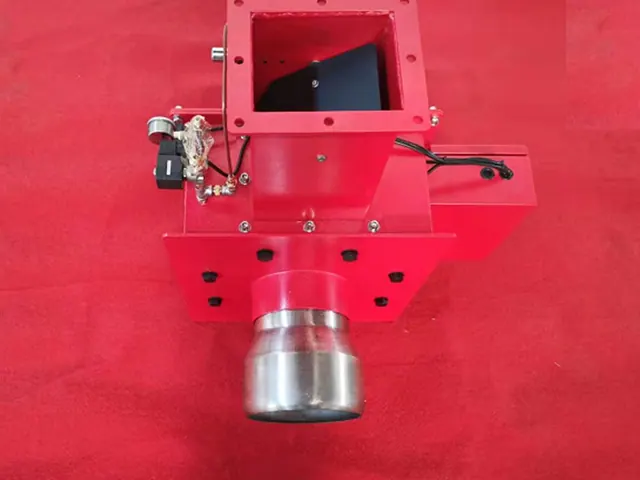
Identify the fan, inlet protection, filters where applicable, ducts, dampers and combustion head actually included in the offer. Check whether installation constraints change the proposed arrangement. A reference picture does not establish supplied air-handling equipment. Make the external air-intake and exhaust boundaries explicit so a missing duct or an assumed stack arrangement cannot emerge as an unexpected site responsibility.
Review site density and temperature assumptions
Provide the project altitude and ambient range, including the actual intake environment. Ask how the offered arrangement responds to those conditions at the accepted firing cases. Do not apply an undocumented generic derating percentage to every fan or burner. Require the supplier to identify the basis, any limitation and the additional equipment needed where site conditions differ from the reference selection.
Connect fan availability to protective functions
Ask which instruments or arrangements establish the required combustion-air permissives for the selected equipment. The purchase review should connect sensor location, logic and the resulting protective action without inventing universal trip settings. Loss of a control signal is not always equivalent to loss of physical airflow. Qualified designers should define how the installed arrangement detects the relevant fault cases.
Compare operating demand rather than motor labels
Separate the fan motor rating, expected absorbed power and complete burner auxiliary demand. Include any variable-speed drive and its environmental requirements. A larger motor is not proof that sufficient air reaches the combustion head. Ask for the operating-point response, expected limits and the performance evidence proposed for the assembled burner and agreed furnace-pressure cases.
A changed stack can change the selection
Keep the accepted fan and furnace response with the final duct and exhaust arrangement. Subsequent changes to the air path or furnace resistance require review before the original matching evidence is reused. The supplier should identify which installation details are performance-critical. Procurement can then prevent an apparently minor layout change from invalidating the conditions used to select the burner.
Put these items side by side in the bid review
| Purchase item | Question to resolve | Evidence to request |
|---|---|---|
| Pressure boundary | Where is pressure specified? | Marked interface drawing |
| Air-path scope | Which losses are included? | Fan and system response |
| Electrical demand | Rated or absorbed power? | Load schedule and drive data |
Suggested wording for the quotation request
Please select the combustion-air arrangement for our stated furnace-pressure cases, site altitude and intake conditions. Identify included air-path components, external losses and fan operating evidence. Provide absorbed and rated power separately, list installation restrictions, and describe the documentation and approved functional tests for relevant airflow protective functions without assuming purchaser-supplied equipment.
A burner purchase concerns a matched combustion arrangement, not an isolated maximum-capacity number. Keep the required fuel heat input separate from useful boiler or heater output, and identify the actual fuel properties, furnace geometry, draft and load range. The accepted offer should name the combustion head, fuel equipment, air supply, control and supporting items actually included. Do not infer dual-fuel capability, low-temperature starting, emissions performance or destination approval from a photograph or a general product description. Agree the factory and site evidence for the selected arrangement and allocate external interfaces to named parties. Actual commissioning, operation, fault investigation and maintenance require competent personnel, equipment-specific manufacturer information and approved project procedures. Protective functions must not be bypassed and ignition must never be improvised. Keep the accepted configuration and authorized changes with the final equipment records.
For the wider equipment scope, consult the Oilfield Burner Unit: Utility Planning. Use the RFQ checklist to collect the supporting documents before requesting a configuration-specific quotation.
Buyer questions
Does a larger fan motor guarantee sufficient combustion air?
No. The fan operating response and complete air-path resistance determine the delivered airflow and pressure. Motor rating alone does not verify the burner-to-furnace match.
Should altitude be included in the burner inquiry?
Yes. Provide altitude and intake conditions, then request a configuration-specific response. Do not assume that catalogue reference conditions apply unchanged to every installation.
Background and supplier contact
NIST measurement traceability background offers related background, not certification of the equipment in a quotation. Applicability must be checked for the project and destination.
Explore the oilfield burner, browse all technical resources, or visit Vance Petroleum for company information. Request an oilfield-burner proposal with the fuel, furnace, heat-input, operating schedule and destination requirements.