Define what efficiency is being quoted
Ask whether the number concerns combustion, the boiler or heater, or heat actually delivered to the process. State the fuel heating-value convention and treatment of relevant losses. Different boundaries answer different purchasing questions. A burner combustion figure cannot simply be inserted as complete-system efficiency when estimating the fuel needed to satisfy a process heating requirement.
Normalize the useful heat and fuel basis
Use the same duty cases, operating duration and fuel-property assumptions for every bid. Separate fuel mass and volume, including any temperature or density basis needed to reconcile them. If suppliers use different fuels, compare the useful heat delivered and the project fuel cost on a transparent basis. A raw liters-per-hour comparison across unequal heat inputs can be misleading.
Include the operating profile rather than one point
Weight the estimate toward the loads the project actually uses. Holding, warm-up and intermittent operation may differ from a steady rated-output demonstration. Ask for the assumptions behind cycling and other nonproductive consumption where relevant. An annual estimate should disclose the operating hours and load distribution instead of presenting one favorable test point as a universal field outcome.
Add supporting consumption and service needs
Identify electricity, fuel-conditioning energy and other auxiliaries required by the offered arrangement. Separate expected consumption from installed motor ratings. Include fuel-specific consumables and authorized service in the ownership comparison. A lower main-fuel estimate may be less attractive if it depends on unpriced supporting equipment or resources whose availability and cost have not been established for the field location.
Treat savings claims as comparisons requiring evidence
Ask for the baseline equipment, condition, fuel and utilization behind a proposed saving. Distinguish a preliminary engineering estimate from an agreed performance commitment and define the measurement plan for the latter. A percentage without a baseline is not an auditable purchasing benefit. Preserve the calculation so the project can reassess it if fuel prices or expected operating hours change.
The installed heater determines the useful result
Burner selection can influence thermal operation, but the condition and design of the heater, process distribution and controls also affect fuel use. Ask the integrator which improvements belong to the burner scope and which require work elsewhere. Avoid assigning complete-system savings to one component when the proposal depends on simultaneous repairs, insulation changes or a different process load.
Put these items side by side in the bid review
| Purchase item | Question to resolve | Evidence to request |
|---|---|---|
| Efficiency | Which boundary is measured? | Declared calculation basis |
| Utilization | Which loads dominate the year? | Hours and duty schedule |
| Savings | Compared with what baseline? | Transparent cost model |
Suggested wording for the quotation request
Please provide a fuel-consumption and auxiliary-demand estimate for the attached useful heating duty and load schedule. Declare fuel properties, heating-value convention, efficiency boundaries and operating assumptions. Separate estimated benefits from guaranteed values and list supporting equipment and service costs. If savings are proposed, identify the baseline and the evidence needed to verify the comparison.
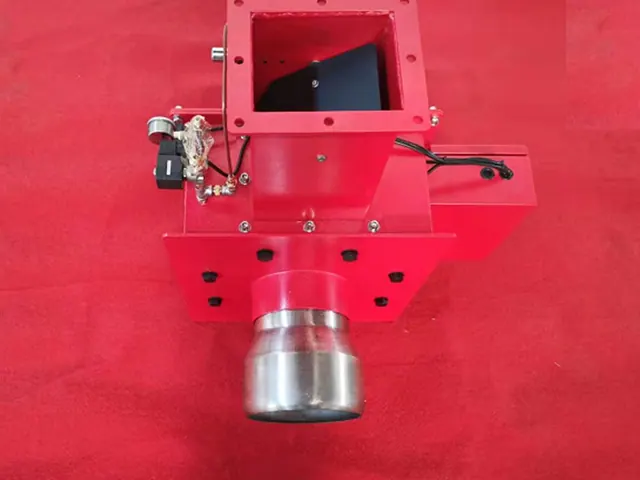
A burner purchase concerns a matched combustion arrangement, not an isolated maximum-capacity number. Keep the required fuel heat input separate from useful boiler or heater output, and identify the actual fuel properties, furnace geometry, draft and load range. The accepted offer should name the combustion head, fuel equipment, air supply, control and supporting items actually included. Do not infer dual-fuel capability, low-temperature starting, emissions performance or destination approval from a photograph or a general product description. Agree the factory and site evidence for the selected arrangement and allocate external interfaces to named parties. Actual commissioning, operation, fault investigation and maintenance require competent personnel, equipment-specific manufacturer information and approved project procedures. Protective functions must not be bypassed and ignition must never be improvised. Keep the accepted configuration and authorized changes with the final equipment records.
For the wider equipment scope, consult the Oilfield Burner Unit: Price and Cost Guide. Use the RFQ checklist to collect the supporting documents before requesting a configuration-specific quotation.
Buyer questions
Does lower hourly fuel consumption prove higher efficiency?
Not without equal useful duty and consistent fuel and measurement bases. A lower firing rate can consume less fuel while delivering less heat.
Is combustion efficiency equal to complete-heater efficiency?
No. They describe different boundaries and losses. Ask the responsible designer to identify the correct basis for estimating the fuel required by the process.
Background and supplier contact
NIST measurement traceability background offers related background, not certification of the equipment in a quotation. Applicability must be checked for the project and destination.
Explore the oilfield burner, browse all technical resources, or visit Vance Petroleum for company information. Request an oilfield-burner proposal with the fuel, furnace, heat-input, operating schedule and destination requirements.