Why there is no responsible one-line price
An oilfield burner unit is normally engineered around a project duty rather than selected from a consumer catalogue. Its price changes with required heat input, fuel composition, furnace backpressure, as well as certification, chassis, automation and documentation. A low headline price may omit commissioning, export packing, mandatory instruments or the auxiliary systems needed to operate the package.
The useful question is not “What is the cheapest unit?” but “What is the lowest evaluated cost for a configuration that meets the operating envelope?” Suppliers should separate the base package, options, recommended spares, freight and site services so the comparison is transparent.
Main capital-cost drivers
required heat input
This affects equipment rating, material selection, installed power, control complexity or package size.
fuel composition
This affects equipment rating, material selection, installed power, control complexity or package size.
furnace backpressure
This affects equipment rating, material selection, installed power, control complexity or package size.
turndown ratio
This affects equipment rating, material selection, installed power, control complexity or package size.
local emissions limits
This affects equipment rating, material selection, installed power, control complexity or package size.
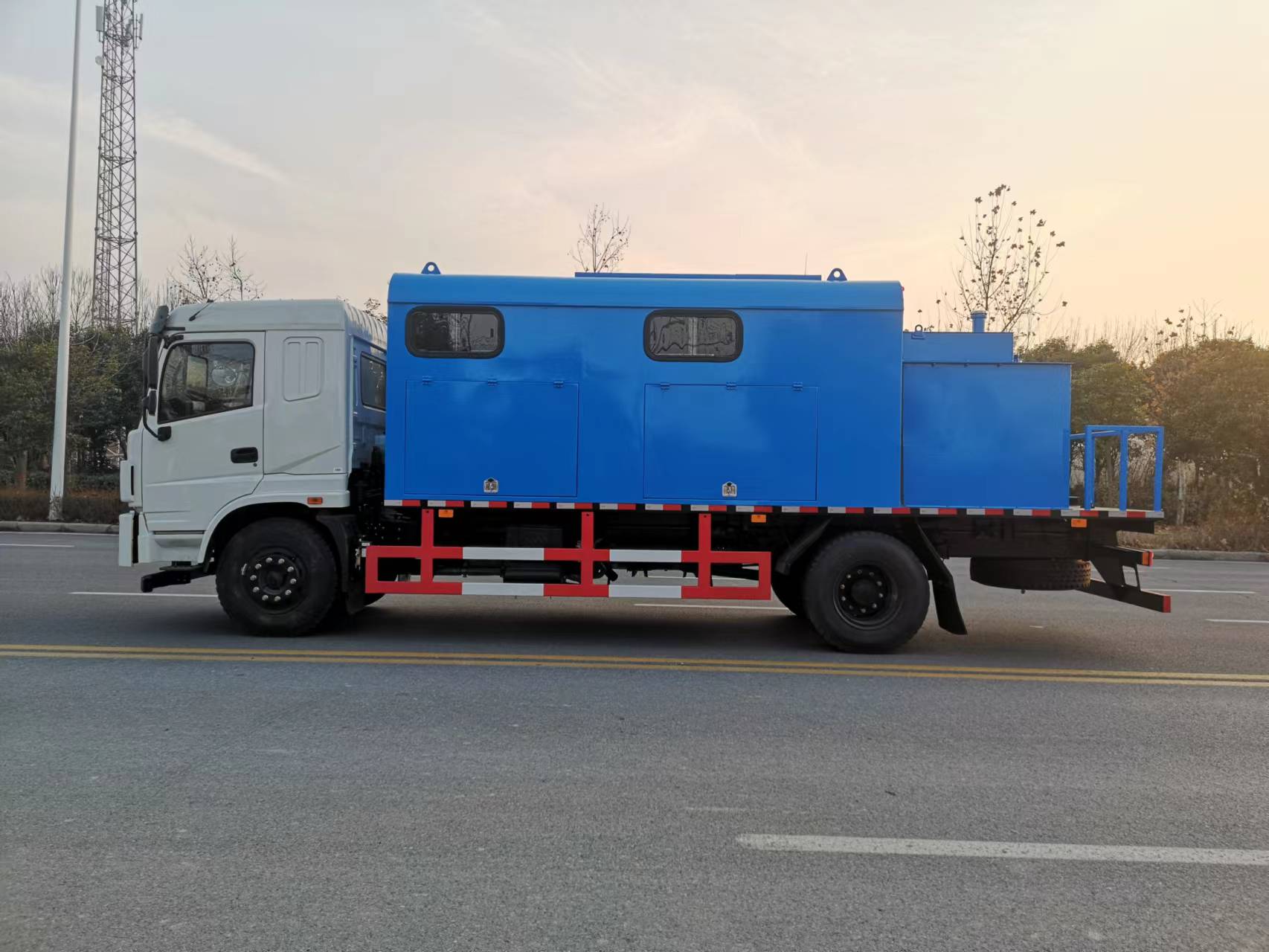
Calculate total landed and lifecycle cost
Build the commercial comparison from equipment price, inspection, certification, export packing, inland transport, ocean or air freight, insurance, import charges, unloading, installation and commissioning. Then estimate fuel or electricity, consumables, routine parts, planned overhauls and expected downtime. For mobile equipment, include chassis registration, local road compliance and tire or suspension support.
| Cost block | Includes | Comparison check |
|---|---|---|
| Base equipment | Core package and agreed standard accessories | Check scope exclusions |
| Project options | Climate, hazardous-area, automation and material upgrades | Price each option separately |
| Logistics | Packing, freight, insurance and destination handling | Define Incoterm and delivery point |
| Lifecycle | Energy, consumables, spares and maintenance labor | Compare on the same operating hours |
How to obtain a firm, comparable quotation
Send the same duty data and required delivery terms to each bidder. Ask for a signed technical offer, commercial offer, scope boundary, deviations, delivery schedule, warranty, document list and payment milestones. For mobile boiler firing or crude-oil heating, describe the actual job sequence and expected annual utilization so the supplier can distinguish continuous-duty needs from occasional service.
- Require model and manufacturer for major bought-out components
- Confirm whether commissioning and operator training are included
- List the recommended two-year operating and commissioning spares
- Agree the factory acceptance test before issuing the purchase order
- Confirm currency, Incoterm, quotation validity and tax exclusions
Oilfield Burner Unit project-specific engineering focus
For export projects, technical selection and destination-site integration need to be developed at the same time. For commercial comparison, upgrades driven by required heat input and fuel composition should be priced separately from changes associated with furnace backpressure. The buyer should also isolate the cost of adapting the burner head and flame stabilizer and fuel train, then compare the lifecycle effect of turndown ratio and local emissions limits.
Use the four intended duties as separate review cases: mobile boiler firing, crude-oil heating, process-heater retrofit and dual-fuel field operation. For each case, record the starting condition, target output, operating duration, expected variation and shutdown condition. This exposes whether a shared configuration is genuinely suitable or whether a different control range, material, auxiliary system or connection set is needed.
burner head and flame stabilizer with fuel train
Review their operating envelopes together. Capacity on one side is not useful if the connected subsystem cannot supply, transmit or control the same duty.
forced-draft fan with flame safeguard and ignition controller
Define monitoring, protection, calibration and maintenance access as part of the package acceptance criteria rather than optional details.
The RFQ should therefore carry a project data sheet, interface drawing and deviation schedule. That combination gives the manufacturer enough information to explain the design and gives the buyer a consistent basis for technical evaluation, factory testing and later commissioning.
For broader industry context, consult ASME Boiler and Pressure Vessel Code resources. Project requirements and applicable codes must still be confirmed for the destination country and end user.
Frequently asked questions
How can I get an accurate oilfield burner unit price?
Provide a common RFQ data sheet covering duty, materials, controls, certification, chassis or mounting, delivery location and services.
Should quotations be compared only by purchase price?
No. Compare scope, performance, logistics, energy, consumables, spares, maintenance and expected downtime on the same basis.