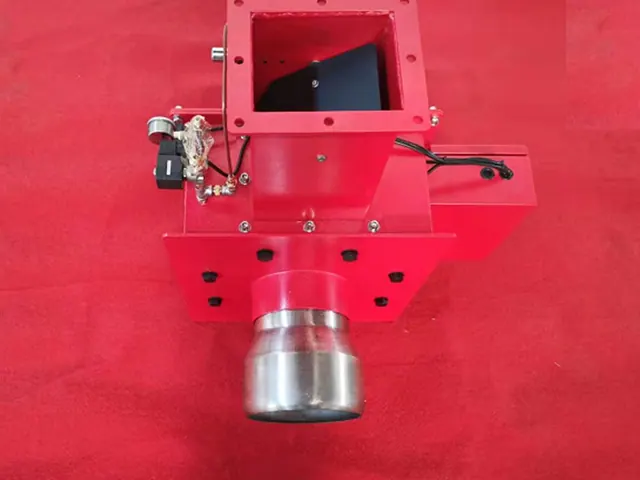
Define the assembly included in the base price
Ask for an equipment list identifying the combustion head, fan arrangement, fuel equipment, control and mounting items actually supplied. Separate selected options from standard inclusions. A photograph of a complete installation is not a contractual scope schedule. Compare the physical and functional boundary before treating a lower assembly price as a commercial advantage.
Price the furnace-side work
List any mounting adapter, door, throat, refractory or support changes required by the selected match. Ask who surveys the existing equipment and approves dimensional information. Include access and removal provisions where the layout demands them. A burner that costs less at the factory may require more installation work, and that difference should be visible before the buyer authorizes manufacture.
Expose fuel and electrical exclusions
Identify regulation, conditioning, transfer, piping, power distribution and control integration that sit outside the burner scope. Obtain comparable responses for the actual site conditions. Do not assume existing components can be reused without review. Changes to demand signals or protective interfaces may require engineering and verification even when the new burner has a similar nominal capacity and connection arrangement.
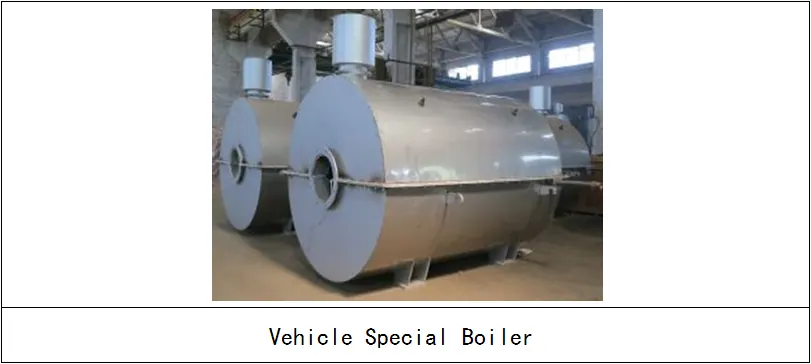
Separate factory release from site completion
Ask which inspections and functional demonstrations the equipment price covers. Then price installation support, site commissioning, required measurements, operator handover and closure of remaining acceptance items. Clarify travel and local-service assumptions. Shipment from the factory does not establish that the burner has been accepted on the purchaser furnace or that all supporting equipment is available and correctly integrated.
Compare lifecycle and change exposure
Include proposed spares, maintenance access, authorized support and the consequences of unresolved interfaces. Ask bidders to list exclusions and deviations against the same project sheet. Keep contingency visible for genuinely unknown site conditions rather than hiding it inside a broad equipment allowance. The preferred offer should have a defensible total scope, not simply the lowest first line on the quotation.
Do not let scope gaps become variations by default
Before award, assign every interface to a named party and agree the documents required to close it. If an existing component is proposed for reuse, record the technical condition and approval responsibility. A priced exclusion can be compared; an unnoticed assumption cannot. Keep the final scope schedule attached to the order so later changes have a clear contractual reference.
Put these items side by side in the bid review
| Purchase item | Question to resolve | Evidence to request |
|---|---|---|
| Base supply | Which components are included? | Controlled equipment schedule |
| Site changes | What must be altered or reused? | Survey and interface response |
| Completion | Who closes acceptance items? | Service and test scope |
Suggested wording for the quotation request
Please quote the burner assembly and a separate installed-retrofit scope against the supplied furnace and site information. Itemize fuel trains, controls, mechanical modifications, electrical integration, factory evidence, site commissioning and spares. Identify purchaser work, reuse assumptions and deviations. State delivery and warranty terms without treating unresolved site interfaces as standard included equipment.
A burner purchase concerns a matched combustion arrangement, not an isolated maximum-capacity number. Keep the required fuel heat input separate from useful boiler or heater output, and identify the actual fuel properties, furnace geometry, draft and load range. The accepted offer should name the combustion head, fuel equipment, air supply, control and supporting items actually included. Do not infer dual-fuel capability, low-temperature starting, emissions performance or destination approval from a photograph or a general product description. Agree the factory and site evidence for the selected arrangement and allocate external interfaces to named parties. Actual commissioning, operation, fault investigation and maintenance require competent personnel, equipment-specific manufacturer information and approved project procedures. Protective functions must not be bypassed and ignition must never be improvised. Keep the accepted configuration and authorized changes with the final equipment records.
For the wider equipment scope, consult the Oilfield Burner Unit: Price and Cost Guide. Use the RFQ checklist to collect the supporting documents before requesting a configuration-specific quotation.
Buyer questions
Why can similar-capacity burner quotations have different prices?
They may include different fuel systems, controls, mechanical work, tests and services. Compare scope and accepted operating conditions before comparing the headline prices.
Does factory acceptance complete an installed retrofit?
Not necessarily. Matching, interfaces and performance on the actual furnace can require site verification. Define the remaining work and responsible parties before placing the order.
Background and supplier contact
OSHA oil and gas workplace safety background offers related background, not certification of the equipment in a quotation. Applicability must be checked for the project and destination.
Explore the oilfield burner, browse all technical resources, or visit Vance Petroleum for company information. Request an oilfield-burner proposal with the fuel, furnace, heat-input, operating schedule and destination requirements.